America was built by people arriving from all over the world, different in origins but similar in their courage to refuse accepting what was, and risked everything to fight for what should be. It was never culture, skin color, or lineage that defined us. What bind us together is that the unshaken belief that tomorrow is not assigned, but created.
In the face of unrelenting injustice and hate today, we will answer the call to be just as steadfast in taking a stand in order to realize our nation’s greatest dream: justice, with just laws, and just enforcers, for all.
Nelson Mandela once said, “And as we let our own light shine, we unconsciously give other people permission to do the same.” Anti-racism is not something educators teach, lecture, assign, or test. It’s something we do.
When children see that we fight for black and Asian and immigrant lives as fiercely as for our own, they will learn to do likewise. Hate is infectious; but so is the will to fight for justice.
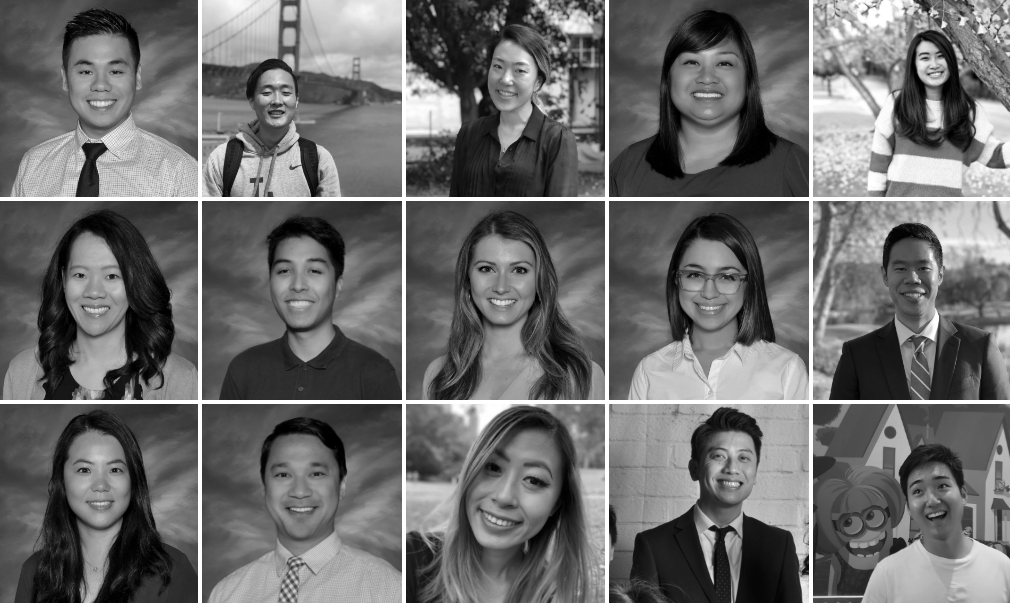
A letter from Principal Ko after the Atlanta SPA Shooting
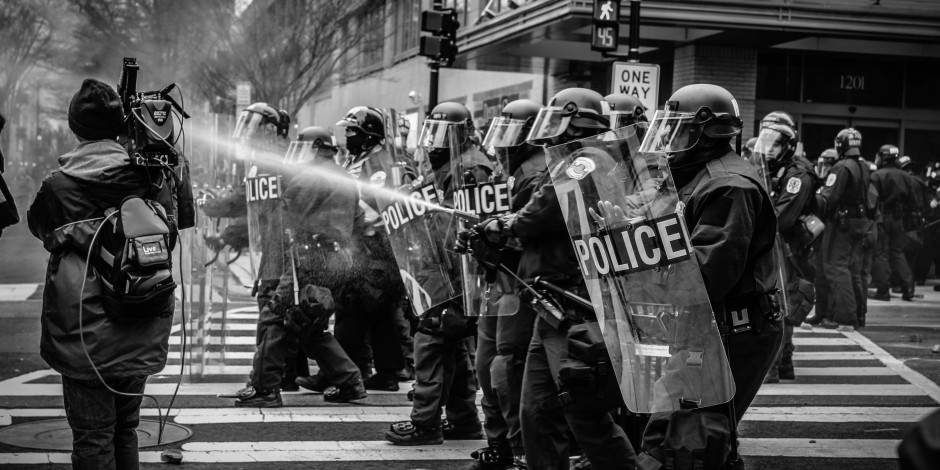
BLACK LIVES MATTER.
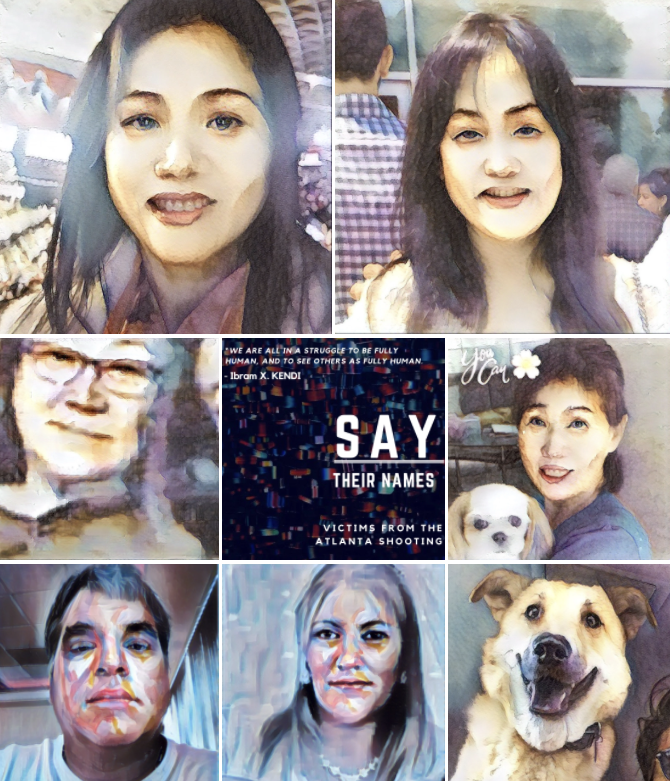
STOP ASIAN HATE.
HOW WE FIGHT

CRITICAL CONVERSATIONS
Many black and brown students are educated in school systems and classrooms where they are taught how to understand a world by a mostly white staff–those already privileged with generations of systemic advantages–with inherent authority and power over them as adults in a school.
When their teachers choose to remain silent about moments of racial tension or violence against minorities, these children are overtly reminded of the oppression those around them co-sign through silent acceptance. Although it may not be avoidable that our children of color be harmed by racial injustice, we will not tolerate them to ever implicitly learn from us that it is acceptable,

EMPOWER THINKING
Meta-cognition, perhaps the defining advantage humans enjoy over all other beings, is what gives us the ability to invent, analyze, plan, and share compassion by the delay of reacting to stimuli and instincts and act in ways that are most beneficial. When students are able to process issues–interrogating with objectivity while connecting with authentic emotions to plan and prioritize solutions–the world doesn’t seem so scary anymore.
Emotional intelligence and social-emotional learning both stem from the ability to think about feelings. When children can articulate how and why they feel the way they do, they develop the capacity to self-manage to effectively manage the envrionment around them.

ACTS OF RESISTANCE, NOT ASSIGNMENT
More than their more advantaged counterparts, children of color need to be reminded that they each have incredible power to shape the future with their voice and their actions. We aim to always facilitate projects and assignments that carry meaning and purpose beyond the classroom; when students see someone respond to their blogs or maybe given just a “like” to their podcast, they know that their voice, and they, matter.
An A for an essay in the Literature class is an A for an essay in the literature class. An impassioned plea advocating for DACA Dreamers posted on Youtube as a Social Studies project could inspire a chain of real-life events leading to just about anything. Children flourish in schools when they no longer give the effort necessary to get a good grade, and give the type of effort they need to give in order to change the world.
Guiding Voices:
“It’s important to remember that students want to talk. They recognize the injustice inherent in racism, gender bias, ableism, anti-immigrant sentiment, religious and anti-LGBTQ bias and more—and they see these prejudices at work every day.”
― “Let’s Talk!” Teaching Tolerance
“That’s where social justice comes in. It’s another term for civic engagement
and fighting for what you believe in and the betterment of others. Education is supposed to do that—to push us towards social justice. Otherwise, what is this?”
―Spring 2021 Magazine, Learning for Justice

